
- Home/
- Buy Glucophage in Online Pharmacy in United Kingdom
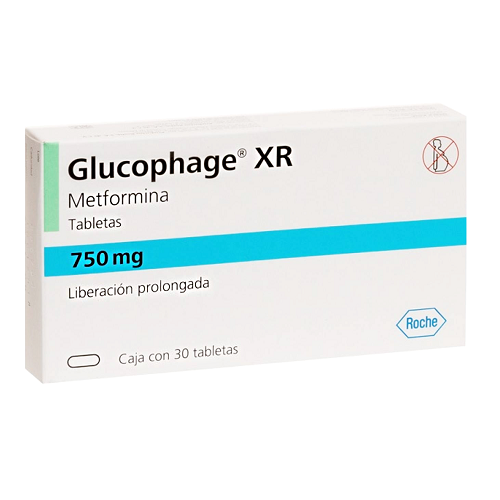
Can Glucophage Be Purchased Without a Prescription in United Kingdom?
Glucophage (metformin) cannot be purchased without a prescription in United Kingdom. It is a prescription-only medicine under UK law and can only be dispensed by registered pharmacies following a valid prescription from a doctor.
Key Takeaways: What You Need to Know About Glucophage in United Kingdom
- Glucophage is clinically proven for managing type 2 diabetes and is most suitable for adults where diet and exercise alone have not sufficiently controlled blood sugar.
- You will need a valid prescription from a UK-registered doctor to buy Glucophage or order Glucophage from a pharmacy.
- Most patients notice improvements in blood glucose within a few weeks, but maximum effect may take up to 2–3 months of consistent use.
- Gastrointestinal side effects are the most common, but rare and serious risks like lactic acidosis exist—always discuss your full medical history with your doctor.
- Both branded and generic versions (metformin) are available and considered equally effective; generics are usually more affordable.
- If you experience unexplained fatigue, muscle aches, or breathing difficulties, seek medical advice immediately, as these may indicate serious side effects.
How Does Glucophage Work? Understanding Its Mechanism of Action
Glucophage contains metformin hydrochloride, a biguanide class medicine that lowers blood glucose primarily by decreasing glucose production in the liver (hepatic gluconeogenesis). Metformin also improves insulin sensitivity in peripheral tissues (especially muscle), resulting in greater glucose uptake. Unlike some other diabetes medicines, Glucophage does not stimulate insulin secretion and therefore does not typically cause hypoglycaemia in most patients.
Mechanistically, metformin activates the AMP-activated protein kinase (AMPK) pathway in liver cells, suppressing the genetic expression of enzymes involved in glucose production. Additionally, metformin delays glucose absorption from the intestines and modestly increases fatty acid oxidation.
Simple metaphor: Imagine your liver as a factory that keeps sending sugar out into your bloodstream. Glucophage “turns down the dial” on that factory, so less sugar is released while making your muscles more eager to use up the sugar that is already there.
Does Glucophage require any external factors to work? No, its glucose-lowering effect is independent of insulin secretion and can function in the background as long as it is present in sufficient blood levels, regardless of food intake.
Myth vs Reality
Myth: Glucophage instantly lowers blood sugar after the first tablet.
Reality: It usually takes at least several days to weeks of consistent use before meaningful glucose reduction is seen.
When Numbers Don’t Tell the Full Story: Patient Perceptions Versus Clinical Reality
As a diabetes specialist, I’ve seen many patients expect Glucophage to be a quick fix, assuming that if their blood sugar readings don’t normalise immediately, the treatment isn’t working. In reality, the benefits of Glucophage build gradually—sometimes over weeks or even months. Patients often overlook that dietary changes and exercise remain crucial, and some discontinue the medication prematurely, thinking it’s ineffective. It’s also striking how few patients realise the importance of kidney and liver function checks before and during treatment. I encourage my patients to ask about long-term monitoring and to clarify what kinds of improvements they should realistically expect—sometimes, stabilising rather than dramatically lowering blood glucose is the safest and most valuable outcome.
How Should Glucophage Be Taken? Dosing, Timing, and Duration of Effect
In United Kingdom, the standard starting dose for Glucophage immediate-release is usually 500 mg once or twice daily, taken with meals to reduce stomach upset. The dose may be gradually increased every 1–2 weeks based on glucose control and tolerability, with a typical maximum daily dose of 2000 mg (2g) divided into two or three doses. For Glucophage SR (slow release), initial dosing is often 500 mg once daily, with a maximum of 2000 mg once daily or in divided doses.
- Never exceed the maximum daily dose of 2000 mg unless specifically directed by your doctor.
- Tablets must be swallowed whole; Glucophage SR tablets should not be crushed or split.
- In elderly patients, or those with mild kidney impairment (eGFR 45–59 mL/min/1.73m²), lower starting doses and slower titration are recommended. Glucophage is contraindicated if eGFR drops below 30 mL/min/1.73m².
- Effect duration: Each dose typically works for 6–8 hours (immediate release) or up to 24 hours (slow release). Blood glucose improvement is usually seen within days, but full effect may take weeks.
If you miss a dose, take it as soon as you remember unless it’s almost time for your next dose. Do not double up doses.
How Does Food, Alcohol, and Lifestyle Affect Glucophage Absorption?
Glucophage should be taken with or after food to minimise gastrointestinal side effects such as nausea or diarrhoea. High-fat meals may slightly delay absorption but do not significantly reduce overall effect. Unlike some diabetes medicines, Glucophage does not cause hypoglycaemia when taken alone, so it does not require precise timing with carbohydrate meals.
- Alcohol: Patients should avoid excessive alcohol intake (more than 2 units daily), as this can increase the risk of lactic acidosis, a rare but serious complication. Occasional moderate drinking is not strictly contraindicated, but always discuss with your doctor.
- Grapefruit/grapefruit juice: No clinically relevant interaction with metformin is known.
- Physical activity: Exercise enhances Glucophage’s benefits but increases the risk of hypoglycaemia if combined with other diabetes medicines.
Lifestyle modifications—such as weight management, regular physical activity, and balanced dietary choices—are essential for optimal benefit.
Compatibility Checklist: Glucophage and Other Products
| Type of Product | Can It Be Combined? | Consequences |
|---|---|---|
| Paracetamol | Yes | No significant interaction |
| Insulin | Yes | Monitor for hypoglycaemia |
| Alcohol (excessive) | No | Risk of lactic acidosis |
| NSAIDs (e.g., ibuprofen) | Use with caution | Monitor kidney function |
| Contrast agents (for scans) | No (temporarily) | Suspend metformin before and after the procedure |
Who Should Avoid Glucophage? Absolute and Relative Contraindications
Absolute contraindications (never use):
- Severe kidney impairment (eGFR < 30 mL/min/1.73m²)
- Acute metabolic acidosis, including diabetic ketoacidosis
- Severe liver disease or alcohol intoxication
- Recent use of iodinated contrast agents (must pause Glucophage for at least 48 hours)
- Known hypersensitivity to metformin or excipients
Relative contraindications (use with caution):
- Mild-to-moderate kidney impairment (eGFR 30–44 mL/min/1.73m²): possible under specialist supervision, with dose adjustment
- Heart failure or recent myocardial infarction (risk of lactic acidosis is higher)
- Older adults (risk increases with age and comorbidities)
- Severe infection or dehydration
Why? Glucophage is eliminated by the kidneys; reduced kidney or liver function increases the drug’s accumulation, raising the risk of lactic acidosis, a rare but potentially fatal complication.
What Side Effects Are Most Common with Glucophage?
Side effects are grouped by frequency (according to WHO criteria) and possible mechanism. Most side effects are mild and improve over time, especially if the dose is increased gradually.
- Very Common (>1/10):
- Gastrointestinal symptoms (nausea, vomiting, diarrhoea, abdominal pain, loss of appetite)—caused by local effect in the gut.
- Common (1/100–1/10):
- Taste disturbance (metallic taste)
- Weight loss (mild, typically stabilises over time)
- Rare (1/10,000–1/1,000):
- Lactic acidosis (symptoms: deep, rapid breathing, confusion, muscle pain, fatigue)—medical emergency
- Skin reactions (rash, itching, urticaria)
- Very Rare (<1/10,000):
- Vitamin B12 deficiency (especially with long-term use)
- Liver function abnormalities, hepatitis
What to do if you experience side effects?
Mild digestive symptoms usually resolve with time or dose reduction. For ongoing symptoms, contact your doctor. If you develop unexplained tiredness, breathing difficulty, or confusion, seek urgent medical attention to rule out lactic acidosis.
Common Patient Mistakes That Can Compromise Glucophage Therapy
- Stopping Glucophage abruptly when feeling better: This can result in loss of blood sugar control and risk serious complications. Always consult your doctor before any changes.
- Taking Glucophage on an empty stomach: Increases gastrointestinal side effects; always take with or after food unless otherwise advised.
- Ignoring blood tests and check-ups: Skipping regular kidney and liver function monitoring can miss serious complications. Prioritise routine testing as advised by your healthcare provider.
- Overusing alcohol or not reporting alcohol intake: Increases risk of lactic acidosis, especially in combination with dehydration or illness.
- Combining with other glucose-lowering medicines without medical advice: May cause dangerous hypoglycaemia. Always inform your doctor about all medicines you are taking.
- Assuming all metformin tablets are interchangeable: Modified-release and standard-release forms are not always interchangeable. Follow your prescription instructions carefully.
How Does Glucophage Compare with Alternatives? Metformin vs Other Type 2 Diabetes Medications
| Medication | Active Ingredient | Onset of Action | Duration | Common Side Effects | Cost per 28 tabs (500mg) (GBP, 2026) |
Prescription Required? |
|---|---|---|---|---|---|---|
| Glucophage | Metformin hydrochloride | Days to weeks | 6–24h (formulation-dependent) | GI upset, rare lactic acidosis | £2–8 (generic: £1–3) | Yes |
| Januvia | Sitagliptin | Within days | 24h | Headache, nasopharyngitis | £30–40 | Yes |
| Forxiga | Dapagliflozin | Within days | 24h | Genital infections, dehydration | £35–45 | Yes |
Bottom line: Glucophage is the most affordable first-line medication for type 2 diabetes in United Kingdom. It does not cause weight gain or low blood sugar when used alone. Alternatives are usually reserved for those who cannot tolerate metformin or require additional glucose lowering. Always discuss the best option for your clinical situation with your diabetes specialist.
What Happens to Glucophage in the Body? Pharmacokinetics Explained
Glucophage is absorbed primarily from the small intestine, reaching peak blood levels within 2–3 hours (immediate release) or 4–8 hours (slow release). It is not metabolised by the liver and does not undergo significant transformation—most of the drug is excreted unchanged by the kidneys. The elimination half-life (T1/2) is approximately 4–9 hours, depending on kidney function. Impaired renal function results in higher blood levels and risk of toxicity.
Special populations:
- Chronic kidney disease: Use only if eGFR >30 mL/min/1.73m², with careful dose adjustment and regular monitoring.
- Liver impairment: Avoid use due to increased risk of lactic acidosis.
- Elderly patients: Start at lower doses and increase slowly, with frequent renal function assessment.
- Women planning pregnancy: Discuss with your doctor; Glucophage is not generally recommended during pregnancy unless specifically indicated (such as some cases of polycystic ovary syndrome).
- Driving/Operating machinery: Metformin alone does not cause hypoglycaemia, so it does not affect driving skills. Risk increases if combined with other glucose-lowering medicines.
- Fertility: There is no evidence that Glucophage adversely affects male or female fertility.
Buying Glucophage in United Kingdom: What Should You Know About Price, Prescription, and Pharmacy Practice?
In United Kingdom, Glucophage is available as both the original branded product and as generic metformin hydrochloride. Both are equally effective and meet the same safety standards. The NHS usually covers the cost for eligible patients, subject to standard prescription charges (currently £9.65 per prescription in England in 2026). In Scotland, Wales, and Northern Ireland, NHS prescriptions are free.
- You cannot buy Glucophage without prescription from a legitimate UK pharmacy. Any website offering Glucophage without prescription is operating illegally and may sell counterfeit products.
- Both in-person and registered online pharmacies can dispense Glucophage, but only upon receipt of a valid prescription.
- If you wish to order Glucophage online, ensure you use a pharmacy registered with the General Pharmaceutical Council (GPhC), displaying their logo and registration number.
- Generic metformin is widely available and usually more affordable than branded Glucophage, but both are equally effective if sourced from a legitimate pharmacy.
How to Get Glucophage in United Kingdom: Step-by-Step Process
- Step 1: Book an appointment with your GP or diabetes specialist (in person or via an approved telemedicine platform).
- Step 2: Undergo a medical assessment, which includes a discussion of symptoms, review of your medical history, and blood tests (including kidney and liver function).
- Step 3: If Glucophage is appropriate, your doctor will issue a prescription—either in paper or electronic form (EPS).
- Step 4: Take the prescription to your local pharmacy in London, Manchester, Birmingham, or any city, or upload it to a registered online pharmacy’s secure portal.
- Step 5: The pharmacist will dispense Glucophage or its generic equivalent, provide usage instructions, and advise you on side effect monitoring.
- Step 6: Attend follow-up appointments as advised to review progress and repeat blood tests.
How to Identify Legitimate Online Pharmacies in United Kingdom
With the rise of online pharmacies, it is vital to recognise safe, legal sources when you buy Glucophage online. In United Kingdom, all internet pharmacies must be registered with the General Pharmaceutical Council (GPhC) and display their registration details and the green internet pharmacy logo.
- Check the pharmacy’s registration status on the GPhC website.
- Avoid any website offering Glucophage without prescription, as they are not operating under UK law and may supply unsafe or counterfeit medicines.
- Be wary of prices that are unusually low; this is often a sign of grey market or counterfeit products.
- Legitimate pharmacies will always ask for a prescription and provide access to a pharmacist for questions.
- Never purchase medicines from websites located outside the UK offering medicines for direct shipment, as importation may be illegal and unsafe.
How Can You Spot Counterfeit or Substandard Glucophage?
Original Glucophage in United Kingdom comes in blister packs with manufacturer details (usually Merck Sante or Bristol Laboratories for generics), expiry date, batch number, and a patient information leaflet in English. Genuine tablets are white, round, and marked with “500”, “850”, or “1000” (as per dose), and may have a breakline on one side.
- Look for official holograms, QR codes, or security seals on the box. Both original and generic medicines should have UK-specific packaging.
- Generics contain the same active ingredient and are held to the same quality standards, but may have different brand names or packaging. The main differences are in inactive ingredients (excipients), which rarely cause side effects but may be relevant for those with allergies.
- If your medicine looks different from previous prescriptions, check with your pharmacist before use.
- Warning: If a price seems too low, or if the packaging is not in English or lacks a batch number, do not use the product—report it to the Medicines and Healthcare products Regulatory Agency (MHRA).
Myth vs Reality
Myth: Generic metformin is less effective or lower quality than Glucophage.
Reality: All generics licensed in United Kingdom meet the same standards of efficacy, safety, and quality as the original product.
Quality Check: What Should Genuine Glucophage Look Like?
- White, round, film-coated tablets marked with strength
- Blister packs with clear batch number and expiry date
- Outer box carries manufacturer name, UK licence number, and patient leaflet
- Security features: hologram or QR code on outer packaging (increasingly standard by 2026)
- Packaging and leaflet must be in English
What Should I Do If I Overdose on Glucophage?
- Stop taking Glucophage immediately.
- Call NHS 111 or 999 for emergency advice and assistance.
- Inform the healthcare professional of the exact dose and time taken.
- Keep the remaining tablets and packaging for identification.
- Follow all instructions from emergency medical staff—hospitalisation and blood tests may be necessary.
Signs of serious overdose/lactic acidosis include: rapid breathing, severe weakness, abdominal pain, confusion, or vomiting. Do not wait for symptoms to worsen—seek emergency care.
Psychological Support: You’re Not Alone in Managing Diabetes
Type 2 diabetes is a common and manageable condition. You are not alone—many people in United Kingdom manage their diabetes successfully with the right combination of medicines, diet, and support. If you feel overwhelmed, consider talking to your GP, diabetes nurse, or a specialist support group. Sharing concerns with family or partners can also make the process easier.
Questions Patients Often Ask doctor About Glucophage Therapy
- Is it normal to feel bloated or have stomach issues when starting Glucophage?
- Yes, mild gastrointestinal symptoms are very common in the first few weeks. These usually settle as your body adapts. Taking the tablet with food and starting at a low dose helps minimise these effects. If symptoms persist, contact your doctor to discuss possible dose adjustments.
- Can I stop Glucophage if my blood sugar improves?
- No, stopping suddenly can lead to loss of control or serious complications. Long-term management is key. Always check with your doctor before making any changes to your medication.
- How often will I need blood tests while taking Glucophage?
- You’ll typically need kidney and liver function tests before starting, then at least annually, or more frequently if you have risk factors or your dose is changed. Your healthcare team will advise a personalised monitoring schedule.
- Do I need to adjust my dose if I have an infection or surgery?
- Yes, infections, dehydration, or upcoming surgery may require a temporary stop or adjustment in your medication. Inform your doctor promptly if you become unwell or are scheduled for procedures involving contrast dye.
- Can Glucophage interact with my blood pressure or cholesterol medicine?
- Most common antihypertensives and statins are safe with Glucophage, but always inform your healthcare provider of all medicines you take. Some drugs, such as certain diuretics or contrast agents, do require special precautions.
- How should I track my progress on Glucophage?
- Keep a log of your blood sugar readings (if self-monitoring), attend regular check-ups, and report any new symptoms. Improvement is usually gradual, and trends over time are more important than isolated readings.
- What if I miss a dose?
- Take it as soon as you remember, unless it’s nearly time for your next dose. Do not double up doses. If you miss doses frequently, discuss adherence strategies with your healthcare team.
Glucophage: Quick Reference Table for Patients
| Parameter | Value |
|---|---|
| Active Ingredient | Metformin hydrochloride |
| Available Strengths | 500mg, 850mg, 1000mg |
| Formulations | Immediate-release, slow-release (SR) |
| Route | Oral |
| Typical Adult Starting Dose | 500mg once or twice daily |
| Maximum Dose | 2000mg per day |
| Tablet Splitting Allowed? | Only if scored; SR forms must not be split |
| Storage | Below 25°C, in original packaging |
| Prescription Required? | Yes (POM) |
Clinical Assessment by doctor: Who Benefits Most—and Who May Not—from Glucophage?
From a clinical perspective, Glucophage remains the cornerstone of type 2 diabetes therapy for most adults who are overweight and do not achieve adequate glucose control with lifestyle measures alone. Its cardiovascular safety profile and long-term evidence make it my first recommendation for newly diagnosed patients without significant kidney or liver impairment. For those with mild renal impairment, careful dose titration and regular monitoring allow continued benefit, but in cases of advanced kidney disease, alternatives such as DPP-4 inhibitors or SGLT2 inhibitors may be safer. Individuals experiencing persistent gastrointestinal symptoms, despite slow titration or switching to slow-release forms, may need to consider other agents. I am cautious in prescribing Glucophage to those with significant alcohol use or unstable heart failure, given the rare risk of lactic acidosis. In short, Glucophage is a reliable, affordable, and evidence-based choice for most individuals starting pharmacological diabetes management, but not for everyone—personalisation remains key.
Frequently Asked Questions About Glucophage in United Kingdom
- Is Glucophage available without prescription in United Kingdom?
- No, Glucophage requires a valid prescription in United Kingdom. It cannot be legally purchased without a prescription from a registered pharmacy.
- How much does Glucophage cost in United Kingdom?
- The cost varies depending on brand and pharmacy, but generic metformin is typically £1–3 for 28 tablets (500mg) and branded Glucophage about £2–8. NHS prescription charges may apply in England; in other UK regions, it is usually free on prescription.
- How long does it take for Glucophage to work?
- Some reduction in blood glucose may be seen within days, but the full effect usually develops over 2–4 weeks of consistent use.
- Can I buy Glucophage online safely?
- Yes, but only from a UK-registered online pharmacy that requires a valid prescription and is regulated by the General Pharmaceutical Council (GPhC). Avoid any site offering Glucophage without prescription.
- What should I do if I miss a dose?
- Take it as soon as you remember unless it is almost time for your next scheduled dose. Do not take a double dose to make up for a missed one.
- Are there cheap or affordable alternatives to Glucophage?
- Generic metformin hydrochloride is the most affordable alternative and is considered equally effective. All generics are held to UK regulatory standards for quality and efficacy.
- Are there any foods or drinks I should avoid while taking Glucophage?
- Avoid excessive alcohol. No specific foods are forbidden, but take your tablet with food to minimise stomach upset. Grapefruit juice does not interact with Glucophage.
- Can Glucophage cause weight loss?
- Mild weight loss is sometimes observed, especially in the first months of therapy, but Glucophage is not a weight loss medicine.
- How do I check if my pharmacy is legitimate?
- Verify that the pharmacy is registered with the General Pharmaceutical Council (GPhC) and displays the green online pharmacy logo. You can check their registration on the GPhC website.
- Can I use Glucophage if I have mild kidney disease?
- It may be possible with careful monitoring and dose adjustment, but only under specialist supervision. Severe kidney disease is an absolute contraindication.
References
- National Institute for Health and Care Excellence (NICE). Type 2 diabetes in adults: management. NG28. Accessed June 2026. https://www.nice.org.uk/guidance/ng28
- NHS. Metformin. Medicines A-Z. Accessed June 2026. https://www.nhs.uk/medicines/metformin/
- MHRA. How to report a suspected problem or side effect. Accessed June 2026. https://www.gov.uk/government/organisations/medicines-and-healthcare-products-regulatory-agency
- General Pharmaceutical Council. Find a pharmacy. Accessed June 2026. https://www.pharmacyregulation.org/
- European Medicines Agency (EMA). Metformin product information. Accessed June 2026. https://www.ema.europa.eu/en/medicines/human/EPAR/metformin
- McCreight LJ, Bailey CJ, Pearson ER. Metformin and the gastrointestinal tract. Diabetologia. 2016. https://pubmed.ncbi.nlm.nih.gov/26790407/
- Lv Z, Guo Y. Metformin and Its Benefits for Various Diseases. Front Endocrinol (Lausanne). 2020. https://pubmed.ncbi.nlm.nih.gov/33250888/
- Merck Sante. Glucophage UK Summary of Product Characteristics (SPC). Accessed June 2026. https://www.medicines.org.uk/emc/product/1040/smpc