
- Home/
- Buy Zithromax Without Prescription in the United Kingdom Online
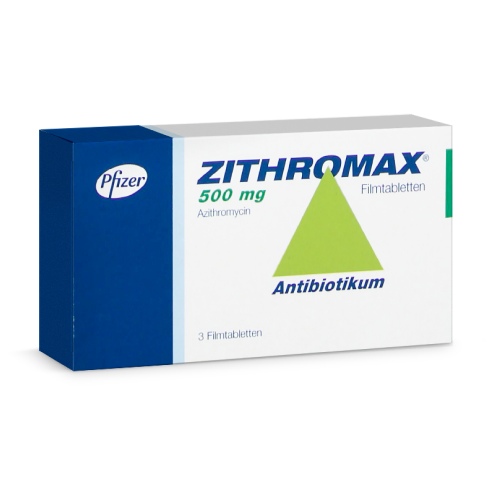
Can you buy Zithromax without a prescription in the United Kingdom?
Zithromax cannot be legally obtained without a prescription in the United Kingdom. It is classified as a prescription-only medicine (POM) and must be prescribed by a qualified healthcare professional. Purchasing Zithromax without prescription from unregulated sources is illegal and potentially dangerous.
Key Takeaways: What You Need to Know About Zithromax in United Kingdom
- Zithromax is an antibiotic (azithromycin) used to treat a range of bacterial infections in the United Kingdom, including respiratory, ear, and some sexually transmitted infections.
- A prescription is required in the UK—it is not legal or safe to buy Zithromax without prescription.
- Treatment duration is typically short, and most people begin to notice improvement within a few days.
- Serious side effects are rare, but medical advice is needed if you develop severe reactions or allergies.
- Zithromax is available in both branded and generic forms—generics are usually more affordable and equally effective.
- If symptoms persist or worsen, consult your doctor promptly—self-managing with leftover antibiotics can be dangerous.
How does Zithromax work in the body? Understanding its mechanism of action
Zithromax contains the active ingredient azithromycin, a member of the macrolide class of antibiotics. It works by binding to the 50S subunit of the bacterial ribosome, inhibiting protein synthesis essential for bacterial growth and replication. Unlike penicillins or cephalosporins, which target cell wall synthesis, azithromycin’s action prevents the bacteria from producing vital proteins, effectively stopping their proliferation.
In simple terms: Zithromax acts like a “factory shutdown” for bacteria, halting the machinery that allows them to multiply and spread. Because it differs from many other antibiotics, it can be effective in cases where bacteria are resistant to other classes.
Azithromycin is especially valued for its ability to achieve high concentrations in infected tissues and its prolonged half-life, which allows for shorter and simpler dosing regimens.
Myth vs Reality: Myth: Zithromax starts working instantly. Reality: While levels rise quickly, clinical effect depends on bacteria dying off, typically over 24-48 hours.
When Speed Isn’t Everything: Patient Expectations About Zithromax Treatment
As a physician, I often see patients who expect Zithromax to resolve all symptoms immediately after the first dose. In practice, even with a potent antibiotic like azithromycin, clinical improvement often lags behind the pharmacological effect. Many patients judge success by how quickly fever or discomfort abates, but some infections—like sinusitis or bronchitis—may take several days before relief is apparent. Another frequent misconception is assuming that a lack of rapid improvement always means treatment failure, when in fact, factors like co-existing viral infections, incorrect self-diagnosis, or poor adherence play a significant role. I encourage patients to discuss their expectations and to understand that, while Zithromax is convenient and effective for appropriate infections, patience and adherence are key to successful outcomes.
What is the correct way to take Zithromax? Dosing and administration guidelines
Zithromax is available in several forms: tablets (usually 250 mg or 500 mg), oral suspension, and intravenous solution (the latter used mostly in hospital settings).
- Standard adult dose: For most respiratory tract, skin, or soft tissue infections: 500 mg once daily for 3 days or as a single 1,000 mg dose for some indications (e.g., chlamydia infection).
- Children’s dose: Calculated by body weight, typically 10 mg/kg once daily for 3 days (max 500 mg per dose).
- Maximum recommended dose: 500 mg/day for most indications. Do not exceed this unless directed by your doctor.
- Duration: Many courses are 3 to 5 days. It is essential to complete the full prescribed course even if you feel better earlier.
- Tablet splitting: Zithromax tablets should generally be swallowed whole with water; do not split unless your doctor instructs you to do so.
- Special populations:
- Elderly: No routine dose adjustment is needed unless there is severe kidney or liver impairment.
- Renal/hepatic impairment: Dose adjustment may be required in severe cases. Consult your doctor.
Peak effect: Blood levels generally peak 2-3 hours after oral administration. The clinical effect becomes noticeable within 24-48 hours for most infections. The antibiotic continues to work for several days after the last dose due to its long half-life.
Can you take Zithromax with food, alcohol, or other substances?
- Food: Zithromax absorption is slightly reduced by food, but not to a clinically significant degree. It can be taken with or without food. If you experience stomach upset, taking it after a light meal is acceptable.
- Fatty meals: May delay absorption by up to 1 hour, but without major clinical impact.
- Alcohol: Moderate alcohol intake (up to 1-2 units/day) is not known to cause significant interactions, but it is best to avoid alcohol while unwell or while taking antibiotics due to potential additive liver strain and impaired recovery.
- Grapefruit juice: Unlike some other macrolides, grapefruit juice does NOT meaningfully affect azithromycin metabolism.
- Dairy products: No significant interaction.
Zithromax Compatibility with Common Products
| Type of product | Can it be combined? | Consequences |
|---|---|---|
| Paracetamol | Yes | No significant interaction |
| Ibuprofen | Yes | Safe for most patients |
| Warfarin | Caution | May increase bleeding risk |
| Antacids (aluminium/magnesium) | Wait at least 2 hours | May reduce absorption if taken together |
| Alcohol | Limit | May strain liver; avoid if unwell |
| Grapefruit juice | Yes | No significant interaction |
Who should not take Zithromax? Absolute and relative contraindications
- Absolute contraindications:
- Known hypersensitivity to azithromycin, erythromycin, or any macrolide antibiotics.
- History of cholestatic jaundice/hepatic dysfunction associated with prior azithromycin use.
- Relative (use with caution):
- Severe liver impairment: Metabolism is primarily hepatic; risk of toxicity increases.
- Severe renal impairment: May require dose adjustment.
- Prolonged QT interval or existing heart rhythm disorders: Increased risk of arrhythmia, including torsades de pointes.
- History of myasthenia gravis: Cases of worsening have been reported.
- Concurrent use with certain drugs: Including amiodarone, sotalol, antipsychotics, and some antidepressants—these can worsen QT prolongation.
- After a recent heart attack or severe cardiac event: Zithromax should only be considered after careful medical evaluation. Consult your doctor before use in any of these scenarios.
Why are QT prolongation and arrhythmias a concern? Azithromycin can slow cardiac electrical activity, potentially causing dangerous heart rhythms, especially when combined with other QT-prolonging agents or in those with underlying risks. If you have a history of heart problems, always inform your doctor.
What side effects are most common with Zithromax?
Adverse effects are classified according to how frequently they occur:
- Very common (>1 in 10):
- Gastrointestinal symptoms: diarrhoea, nausea, abdominal pain
- Common (1 in 100 to 1 in 10):
- Vomiting
- Headache
- Dizziness
- Changes in sense of taste
- Rash or mild skin reactions
- Rare (<1 in 1,000):
- Liver enzyme elevations
- Hearing changes (usually reversible)
- Photosensitivity
- Very rare (<1 in 10,000):
- Severe allergic reactions (anaphylaxis, angioedema)
- Serious arrhythmias (torsades de pointes)
- Stevens-Johnson syndrome
If you experience severe rash, swelling of the face/throat, difficulty breathing, or chest pain, seek emergency medical attention immediately.
For mild side effects, inform your prescriber if they become troublesome or persistent. Do not stop the medication abruptly unless advised.
Missteps to Avoid When Taking Zithromax
- Stopping the course early: Even if you feel better, incomplete courses can lead to relapse or resistance—always finish the prescribed days.
- Taking with antacids without spacing: Antacids containing aluminium or magnesium can decrease Zithromax absorption—wait at least 2 hours between doses.
- Self-medicating for viral infections: Zithromax does not treat viruses (e.g., colds, flu); improper use increases side effect risk and drives antibiotic resistance.
- Doubling up on missed doses: Taking two doses at once increases the risk of side effects—if you miss a dose, take it as soon as you remember, unless it’s almost time for your next scheduled dose.
- Sharing with others: Prescriptions are tailored to individuals and infections; do not share your medication.
- Taking with interacting drugs: Failing to disclose all current medications (especially heart or mental health drugs) can result in dangerous interactions.
- Purchasing Zithromax online from unregulated sources: This exposes you to counterfeit or substandard medicines and legal risks.
Zithromax vs. Other Antibiotics: How Does It Compare?
Azithromycin (Zithromax) is one option among several antibiotics available in United Kingdom for similar infections. Here’s a structured comparison with two commonly prescribed alternatives.
| Criteria | Zithromax (Azithromycin) | Amoxicillin | Clarithromycin |
|---|---|---|---|
| Onset speed | Within 24-48 hours | Within 24 hours | Within 24-48 hours |
| Duration of action | Long (3-5 days course) | Short (5-7 days course) | Moderate (7 days typical) |
| Main side effects | GI upset, QT prolongation | GI upset, allergic reactions | GI upset, taste disturbance |
| Price (per course, UK) | £6–£12 (generic); £18–£30 (brand) | £3–£7 (generic) | £7–£14 (generic) |
| Prescription-required? | Yes | Yes | Yes |
| Availability in pharmacy | Widespread | Widespread | Widespread |
Bottom line: Zithromax offers the advantage of shorter, simplified dosing and broad effectiveness, but isn’t suitable for all infections or patients (especially with certain heart conditions). Amoxicillin is preferred where bacterial resistance is low and for those who cannot tolerate macrolides. Clarithromycin is similar to azithromycin but requires more frequent dosing.
Zithromax Product Information Table
| Parameter | Value |
|---|---|
| Active Ingredient | Azithromycin |
| Available strengths | 250 mg, 500 mg (tablet); 200 mg/5 mL (oral suspension) |
| Formulations | Tablet, oral suspension, IV (hospital use) |
| Storage | Below 25°C, keep dry, protect from light |
| Half-life | ~68 hours |
| Prescription required | Yes |
How is Zithromax metabolised and eliminated?
Zithromax is absorbed from the gut and achieves peak blood levels in 2-3 hours. It is distributed widely throughout the body, especially in tissues prone to infection (lungs, tonsils, skin). The liver metabolises azithromycin, and it is excreted slowly—mostly unchanged—via bile into the faeces. Only a small proportion is excreted by the kidneys.
Half-life: Azithromycin’s elimination half-life is about 68 hours, which explains why it continues working after the last dose and allows for once-daily, short-course regimens.
Myth vs Reality: Myth: Longer half-life means higher toxicity risk. Reality: For most people, it means longer protection; only in severe liver or kidney problems could toxicity accumulate.
How do I get Zithromax prescribed and dispensed in the UK?
- Step 1: Medical consultation. Arrange an appointment with your GP, sexual health clinic, or an NHS walk-in centre (in cities such as London, Manchester, Birmingham, Glasgow, etc.) to discuss your symptoms or infection risk.
- Step 2: Clinical assessment. Your doctor will review your medical history, perform a physical examination, and may request laboratory tests to confirm a bacterial infection or identify the causative organism.
- Step 3: Prescription issuance. If Zithromax is appropriate, your doctor writes a prescription, specifying the dosage, duration, and formulation needed. For some sexual health conditions, prescriptions may be given directly at a specialist clinic.
- Step 4: Pharmacy fulfilment. Present your valid prescription at a registered pharmacy (community or hospital-based) or use an accredited online pharmacy with NHS digital prescription services.
- Step 5: Collection or delivery. Collect your Zithromax in pharmacy or arrange for pharmacy delivery (available in most major cities and online pharmacies that comply with UK regulations).
- Step 6: Follow-up and monitoring. Complete the course as instructed and attend any recommended follow-up appointments. Inform your doctor if symptoms persist, worsen, or if you experience side effects.
Questions Patients Often Ask doctor About Zithromax in United Kingdom
- How will I know if Zithromax is working for my infection?
- Your symptoms—such as fever, pain, or discharge—should begin to improve within 48–72 hours. If you notice no improvement after three days, contact your doctor for reassessment as you may require a different treatment or further tests.
- Is it safe to take Zithromax if I have allergies to penicillin?
- Yes, azithromycin is unrelated to penicillins, so it’s often prescribed as an alternative for those with penicillin allergy. Always inform your doctor of all drug allergies before starting any new medicine.
- Can I use Zithromax if I am pregnant or breastfeeding?
- Azithromycin is generally considered safe in pregnancy and breastfeeding when prescribed by your doctor. However, it is only used when clearly indicated. Discuss your situation with your healthcare provider before starting treatment.
- Should I avoid driving or operating machinery while taking Zithromax?
- Most people do not experience problems, but if you develop dizziness, fatigue, or blurred vision, refrain from such activities until you feel well again.
- What should I do if I have mild diarrhoea while on Zithromax?
- Mild diarrhoea is common; maintain good hydration and continue your course unless symptoms become severe, persistent, or are accompanied by blood, fever, or abdominal pain—in which case, seek medical advice.
- If I miss a dose of Zithromax, what should I do?
- Take the missed dose as soon as you remember, unless it is nearly time for your next scheduled dose. Do not double up doses. Complete the course even if you miss a dose.
- Can I order Zithromax online safely?
- In the UK, you may use a registered online pharmacy to order Zithromax, but you must have a valid prescription. Always verify the pharmacy’s registration with the General Pharmaceutical Council (GPhC) before purchasing.
How to buy Zithromax online safely in United Kingdom
Legitimate online pharmacies in the UK are strictly regulated by the General Pharmaceutical Council (GPhC) and the Medicines and Healthcare products Regulatory Agency (MHRA). Look for:
- The GPhC green cross logo on the pharmacy’s website, linking to their registration details.
- If the online pharmacy asks for a valid prescription or arranges for a registered prescriber to assess your case before dispensing Zithromax.
- Clear contact details, including a UK address and phone number.
- Transparent pricing and privacy policy. If Zithromax is advertised as “Zithromax without prescription” or “cheap Zithromax online without questions,” this is a red flag for counterfeit or unsafe products.
Risks of unregulated websites: Counterfeit medicines, incorrect dosage, contaminated products, no recourse for harm, and legal consequences. Always buy Zithromax from a GPhC-registered pharmacy.
How can I tell if my Zithromax is genuine or counterfeit? What about generics?
- Original Zithromax packaging: Look for the manufacturer’s logo (Pfizer or generics company), batch number, expiry date, and MHRA-approved labelling. Tablets are usually blue/white or pink/white, oval, with clear engraving. Blister packs should be intact and include a patient leaflet in English.
- Security features: Many boxes include a QR code, hologram, or scratch panel for verification. Genuine packs display a UK product licence number (PL XXXX/XXXX).
- Warning signs of counterfeit products: Unusually low prices (e.g., “Zithromax cheap” at a fraction of pharmacy cost), non-English packaging, spelling errors, missing batch numbers, or loose tablets in unmarked bags.
- Generics explained: Generic azithromycin contains the same active ingredient as branded Zithromax and must meet strict UK/EU quality standards. Generics may have different fillers (excipients), colours, or shapes but are equally effective and usually more affordable.
- Allergy risk: If you react to a generic, check for different excipients listed in the leaflet—inform your pharmacist or doctor.
Quality Check: What Should Genuine Zithromax Look Like?
- Tablets: Oblong, blue/white or pink/white, engraved with dosage and manufacturer code.
- Packaging: Branded blister packs, each marked with batch number and expiry date.
- Leaflet: Should include English patient information and manufacturer details.
- Security: QR code, hologram, or scratch panel for verification on box (where applicable in the UK).
- If in doubt, bring your pack to a pharmacy for inspection before use.
What should I do if I overdose on Zithromax?
- Stop taking Zithromax immediately.
- Call emergency services (dial 999) or seek urgent medical care.
- Provide information: Tell the medical team the dose, time taken, and any symptoms (nausea, hearing loss, heart palpitations, etc.).
- Do not try to induce vomiting or self-treat overdose at home.
Symptoms of overdose may include: severe nausea, vomiting, diarrhoea, temporary hearing impairment, or irregular heart rhythm. Early medical intervention is critical.
Is Zithromax safe for everyone? Special considerations
- Children: Dosing is weight-based; typically safe when prescribed by a paediatrician.
- Elderly: No routine adjustment, but higher risk of cardiac side effects if using other QT-prolonging drugs.
- Pregnancy & breastfeeding: Generally safe if recommended, but only to be used when benefits outweigh risks.
- Kidney/liver disease: Caution required; dosage may need adjustment in severe cases. Monitor for toxicity.
- Ability to drive or operate machinery: Most people are unaffected, but avoid such activities if you notice dizziness, fatigue, or visual changes.
- Fertility and family planning: No known impact on fertility in humans; safe for use in both men and women of reproductive age when indicated.
Taking an Antibiotic: You Are Not Alone
Bacterial infections are common and often distressing, but most respond well to evidence-based treatment like Zithromax. If your symptoms trigger anxiety or embarrassment—particularly with sexually transmitted infections—remember you are not alone. Discussing your diagnosis and concerns with a trusted healthcare professional can ease worries and help you stay on track with treatment.
Clinical Assessment by doctor: Who Benefits Most from Zithromax?
As a clinician, I reserve Zithromax for patients with clear indications: respiratory tract infections (especially where local resistance to other agents is high), certain sexually transmitted diseases (notably chlamydia), and some atypical bacterial infections. It is an ideal option for those with penicillin allergies and for patients who require a short, easily completed course. However, I am cautious in patients with significant liver impairment, existing cardiac arrhythmias, or those taking multiple QT-prolonging medications. Patients with non-bacterial or viral illnesses are not appropriate candidates, as misuse increases side effect risk and drives antibiotic resistance. If a patient develops serious side effects or fails to respond after the standard course, I reassess and often consider alternative agents or further diagnostic workup. Zithromax remains a valuable tool when used judiciously, but careful patient selection is essential for optimal outcomes.
Frequently Asked Questions About Zithromax in United Kingdom
- Can I buy Zithromax without a prescription in the UK?
- No, you cannot legally buy Zithromax without prescription in the UK. It is a prescription-only medication. Purchasing it from unregulated sources is both illegal and unsafe.
- How much does Zithromax cost in United Kingdom?
- The cost varies depending on whether you receive the branded or generic version. Generic azithromycin typically ranges from £6 to £12 per course, while branded Zithromax may cost £18 to £30. NHS prescriptions may incur only the standard prescription charge, currently £9.65 per item (2026).
- Where can I buy Zithromax in pharmacy?
- You can purchase Zithromax in pharmacy by presenting a valid UK prescription at any registered pharmacy. Many NHS and private pharmacies provide collection and home delivery options.
- Is there a way to order Zithromax online?
- Yes, you can order Zithromax online through registered UK online pharmacies, but a valid prescription is required. Always check the pharmacy’s GPhC registration before ordering.
- Can I get Zithromax cheap or at a lower price?
- Generic versions of azithromycin are available and are generally more affordable than branded Zithromax. If cost is a concern, ask your doctor or pharmacist about generic options.
- How long does Zithromax take to work?
- Most patients experience improvement in symptoms within 48–72 hours after starting treatment. If you do not feel better after 3 days, contact your doctor.
- Can I use Zithromax for viral infections, such as colds or flu?
- No, Zithromax is effective only against bacterial infections. It does not treat viral illnesses like colds or flu.
- What are the main side effects of Zithromax?
- The most common side effects are gastrointestinal (diarrhoea, nausea, abdominal pain). Serious side effects are rare but include allergic reactions and cardiac arrhythmias.
- Can I take Zithromax if I am on blood thinners?
- Azithromycin may interact with blood thinners such as warfarin. Inform your doctor or pharmacist before starting treatment. Your blood clotting may need monitoring.
- Is it safe to use Zithromax during pregnancy?
- Zithromax can be used in pregnancy when clearly indicated, but only under medical supervision. Always discuss with your doctor before starting any medication during pregnancy.
Sources / References
- National Institute for Health and Care Excellence (NICE), “Azithromycin: summary of prescribing information,” accessed 2026. https://www.nice.org.uk/
- NHS, “Azithromycin: Uses, Side Effects, Dosage,” accessed 2026. https://www.nhs.uk/medicines/azithromycin/
- Medicines and Healthcare products Regulatory Agency (MHRA), “Product Licence for Zithromax,” accessed 2026. https://www.gov.uk/government/organisations/medicines-and-healthcare-products-regulatory-agency
- British National Formulary (BNF), “Azithromycin Monograph,” accessed 2026. https://bnf.nice.org.uk/
- EMA (European Medicines Agency), “Azithromycin: EPAR – Product Information,” accessed 2026. https://www.ema.europa.eu/en
- General Pharmaceutical Council (GPhC), “How to check if an online pharmacy is registered,” accessed 2026. https://www.pharmacyregulation.org/
- PubMed, “Azithromycin: Recent Clinical Trial Data (2023–2024),” accessed 2026. https://pubmed.ncbi.nlm.nih.gov/