
- Home/
- Buy Priligy in Online Pharmacy for United Kingdom Customers
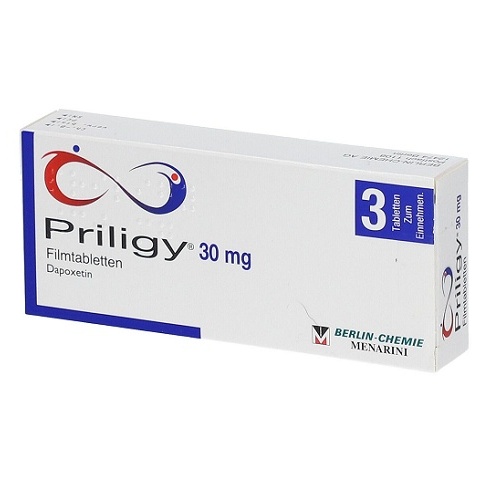
| Name of product | Priligy |
|---|---|
| Main molecule | Dapoxetine |
| Intended use | Short-term management of Premature Ejaculation in adult men |
| Strengths available | 30 mg and 60 mg tablets |
| How fast it acts | Usually works within 1 to 3 hours after taking |
| Duration of benefit | Up to 4 hours after administration |
| How to take | Single dose taken as needed before sexual activity |
| Food and drink advice | May be taken with or without food; avoid alcohol |
| Prescription rules in UK | Prescription-only medicine (POM) |
Priligy for Premature Ejaculation: What to Know in the United Kingdom
Priligy is a prescription-only tablet containing dapoxetine, specifically developed to help men manage premature ejaculation. It is approved for use in the United Kingdom and can be obtained legally through registered pharmacies with a doctor’s prescription. This medication is taken as needed, and its role is to allow greater control over ejaculation during sexual activity.
You Are Not Alone: Understanding the Scope of Premature Ejaculation in the UK
Premature ejaculation (PE) is neither rare nor a reflection of personal failure. According to the British Association for Sexual Health and HIV (BASHH), up to 30% of sexually active men in the United Kingdom report experiencing PE at some stage of their lives (BASHH, 2022). The World Health Organization recognises PE as a common and treatable medical condition, not merely a psychological issue or a matter of willpower. This means you are far from alone, and effective, evidence-based solutions like Priligy exist to address your concerns.
How Priligy Works: Mechanism and What You Can Expect
Dapoxetine, the active substance in Priligy, acts on specific nerve pathways in the brain related to the control of ejaculation. It belongs to a group of medicines called selective serotonin reuptake inhibitors (SSRIs), but it is unique in its rapid action and short duration tailored for on-demand use.
- Physiological effect: Priligy increases the action of serotonin in the nervous system. Serotonin is a chemical messenger that, among other roles, helps delay the reflex that leads to ejaculation.
- Practical impact: By strengthening the “delay” signals in your nervous system, Priligy allows you a longer window before climax, often leading to improved control and satisfaction during sexual activity.
After taking a tablet, the effects typically begin within 1 to 3 hours, and the benefits last for up to four hours. Unlike regular antidepressants, Priligy is designed for use immediately before sexual activity and does not require daily dosing. In clinical trials cited by the European Medicines Agency (EMA, 2021), a significant proportion of men experienced a two- to three-fold increase in the time to ejaculation compared with placebo. However, individual results can vary depending on several factors, including the underlying cause and personal response.
Is Priligy Right for You? Personalised Scenarios and Selection Criteria
| Your situation | Priligy suitability | Reasoning |
|---|---|---|
| You have had lifelong, persistent premature ejaculation and want an on-demand solution | Priligy is a first-line option | Its rapid, as-needed action aligns with sporadic need for control over ejaculation |
| You experience premature ejaculation only occasionally, usually due to stress or new relationships | Priligy may help, but consider behavioural therapy first | Non-pharmacological approaches can address situational PE; Priligy is suitable if these do not work or are not preferred |
| You have heart problems, are taking antidepressants, or other SSRIs | Priligy is NOT recommended | Risk of drug interactions or worsening heart conditions; alternative approaches or specialist advice are needed |
| You want a permanent daily cure for PE | Priligy is NOT suitable | It is intended for on-demand use, not continuous daily treatment |
| You have tried other treatments and found them ineffective or unsuitable | Priligy is worth considering | Clinical evidence supports its use when other strategies fail or are not tolerated |
The scenarios above reflect typical decision points. Discuss your personal health history with a healthcare professional to ensure safety and optimal results.
Practical Use of Priligy: What You Need to Know Before, During, and After Taking
- When to take: Swallow one tablet 1 to 3 hours before anticipated sexual activity. Do not exceed one dose in 24 hours, and do not take on consecutive days unless specifically advised by a healthcare provider.
- With or without food: The effect is not significantly altered by food, but taking it with a meal may reduce stomach upset.
- Alcohol: Avoid alcohol, as it can increase the risk of side effects such as dizziness or fainting.
- If you forget or miss a dose: Take only when needed. There is no need to “catch up” if a dose is missed; simply wait until the next planned occasion.
- If it doesn’t work the first time: Some men may not notice an immediate effect. According to clinical guidelines (NHS, 2023), several attempts may be required to gauge its effectiveness. Consult your doctor if there is no improvement after several uses.
- Signs to watch for: Mild nausea, headache, or dizziness are common and often resolve without intervention. Stand up slowly from sitting or lying positions to minimise dizziness.
- When to seek help: If you experience fainting, chest pain, or persistent mood changes, stop taking Priligy and consult your doctor promptly.
Remember: Priligy is prescribed for you personally. Do not share with others, and always inform your prescriber about any other medicines or health conditions before starting.
Who Should Not Take Priligy? Understanding Contraindications
Not everyone is an ideal candidate for dapoxetine. The following groups should avoid Priligy, and the reasoning for each is given below:
- Serious heart conditions – such as heart failure, significant rhythm disorders, or recent heart attack, due to the risk of dangerous changes in heart rhythm and blood pressure.
- Severe liver impairment – the body cannot process the medication safely, increasing risk of adverse effects.
- Current use of MAO inhibitors, thioridazine, or other SSRIs/SNRIs – risk of serious drug interactions including serotonin syndrome, a potentially life-threatening condition.
- History of fainting (syncope) – Priligy can lower blood pressure and increase the likelihood of fainting episodes.
- Under 18 or over 65 years of age – safety and efficacy have not been established for these age groups.
If you fall into any of these categories, speak to your healthcare provider for alternative approaches.
Possible Side Effects: What to Expect, What Is Normal, and When to Worry
| Side effect | How common | What to do |
|---|---|---|
| Nausea | Very common (up to 1 in 3) | Usually mild and self-resolving; try with food if bothersome |
| Dizziness / lightheadedness | Common | Sit or lie down until it passes; avoid sudden changes in position |
| Headache | Common | Usually mild; take a standard painkiller if permitted |
| Fainting (syncope) | Uncommon, but significant | Stop taking Priligy and contact a doctor if you faint |
| Mood changes or agitation | Rare | Seek medical advice if persistent or severe |
| Severe allergic reaction (swelling, difficulty breathing) | Very rare | Immediate medical attention required. Call NHS 999 if experiencing severe symptoms. |
Most side effects are temporary, but if you experience loss of consciousness, chest pain, or breathing difficulties, call the UK emergency services at NHS 999 without delay.
Drug Interactions: Medicines and Substances You Should Avoid with Priligy
Dapoxetine interacts with several classes of medications and substances:
- Other antidepressants (SSRIs, SNRIs, MAO inhibitors): Increased risk of serotonin syndrome and serious side effects.
- Certain antifungals and antibiotics: Medicines like ketoconazole, fluconazole, or erythromycin may increase Priligy levels in the body, leading to higher risk of adverse effects.
- St John’s Wort and some herbal supplements: May affect the metabolism of dapoxetine, altering its effectiveness and safety.
- Strong painkillers (opioids): Potential for increased sedation or dangerous lowering of blood pressure.
- Alcohol: Combining with alcohol heightens the risk of fainting, dizziness, and impaired judgement.
Always provide a full list of your current medications and supplements to your prescriber before starting Priligy to avoid dangerous combinations.
Comparing Priligy with Other Treatments: Is There a Better Option?
Priligy holds a distinctive place among treatments for premature ejaculation in the UK. Below, options are compared on key criteria:
| Treatment | How it works | When to use | Strengths | Limitations |
|---|---|---|---|---|
| Priligy (dapoxetine) | Short-acting SSRI; on-demand tablet | Immediate need for control before intercourse | Rapid action, legal, evidence-based, minimal daily commitment | Requires prescription, not for daily use, side effects possible |
| Behavioural therapy | Sexual counselling, techniques like “start-stop” | First-line for mild or situational PE | No medication risks, addresses psychological factors | Requires motivation, variable results |
| Off-label SSRIs (paroxetine, sertraline, etc.) | Daily or on-demand antidepressants | When Priligy is unsuitable or ineffective | May benefit men with co-existing depression/anxiety | Not licensed for PE; more side effects, longer duration in body |
| Topical anaesthetics | Desensitises penis surface | When oral drugs are not tolerated | Non-systemic, few systemic side effects | May reduce partner sensitivity, inconsistent results |
For men seeking rapid, as-needed relief with legal, regulated access in the UK, Priligy is often the most practical and effective choice. However, those with contraindications, preference for non-drug methods, or co-existing mental health needs might consider alternatives.
What You Will Actually Pay: Costs Associated with Priligy Treatment in the UK
| Cost item | Amount | Note |
|---|---|---|
| Doctor consultation (private/online) | £30–£65 | Required for prescription if not using NHS |
| Prescription (private) | £10–£20 | Included in some online services |
| Priligy 30mg (3 tablets) | £19–£29 | Varies by pharmacy and supplier |
| Priligy 60mg (3 tablets) | £24–£35 | Higher dose, similar pack size |
| Delivery (standard) | £0–£5 | Some online pharmacies offer free delivery |
| Total | £59–£125 | For private consultation, prescription, one pack, and delivery |
Prices vary depending on whether you use NHS services (where costs may be lower but access may take longer) or private/online providers. You will receive the medication in sealed, branded packaging from a registered pharmacy. NHS prescriptions incur the standard prescription charge unless you qualify for exemption.
Final Considerations: What If My Situation Changes or I Have Further Doubts?
If your health changes, or you develop new medical conditions while using Priligy, it’s essential to reassess its suitability. For example, starting new medications, experiencing new symptoms, or significant life events may alter the balance of safety and benefit.
Regular check-ins with your GP or prescriber are advisable, especially if you use Priligy frequently or if your response changes over time. If you are uncertain about any aspect—whether a specific symptom is related, whether a new medicine is safe with dapoxetine, or how to handle rare side effects—contact your healthcare provider for tailored advice.
For men who have not responded to Priligy or have contraindications, further options—including referral to a specialist in sexual medicine—are available in the United Kingdom. You do not have to accept ongoing distress, and a collaborative approach with your clinician is the most effective path forward.