
- Home/
- Buy Clomid Online in the United Kingdom – Fast and Secure Purchase
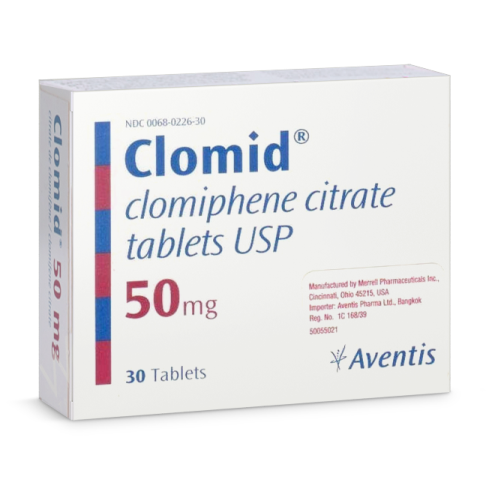
Clomid (clomiphene) is a prescription medication commonly used to help women in the United Kingdom who are struggling to conceive due to certain types of ovulatory infertility. What sets Clomid apart is its long-standing reputation for effectiveness and its specific use in women who do not ovulate regularly—often offering a first step before moving to more invasive treatments. Before reading further, know this: Clomid is not right for every woman or every cause of infertility, and success depends just as much on the right diagnosis and timing as on the medication itself.
Why Clomid? A Patient’s Crossroads in the UK
Picture this: you’ve spent months—maybe years—watching the calendar, tracking ovulation kits, and fielding well-meaning advice from every corner of your life. Finally, a GP or fertility specialist suggests something concrete: Clomid. Not IVF, not injections—just a course of tablets with a name you’ve seen whispered about on online forums but never truly understood.
For many women in the United Kingdom, Clomid (clomiphene) is the first real foothold on the climb out of the uncertainty of unexplained or ovulatory infertility. You’re not alone if you’re wondering why this particular medication is the suggestion, and what it means for your journey—especially in a system where fertility investigations and treatments are tightly regulated and often rationed. The choice to start Clomid is not just about taking a pill; it’s about entering a new phase of hope, vigilance, and, yes, waiting—a different kind of waiting than before.
But Clomid is not a ticket to instant pregnancy. It’s a step—a meaningful, evidence-backed, but sometimes misunderstood one. And that’s why the rest of this article exists: to ground the hope, demystify the process, and help you ask the right questions before you start.
From Diagnosis to Decision: Where Clomid Fits in Real Life
Everything in fertility care begins with diagnosis, not just prescription. Clomid’s role is shaped by what’s causing the difficulty—something that’s easy to misunderstand in the swirl of online information. In the UK, clinical guidelines published by the NICE (National Institute for Health and Care Excellence) and the NHS treat Clomid very specifically: it’s for women who are not ovulating (anovulation) due to hormonal causes, most commonly PCOS, and after other causes of infertility have been excluded.
What does that mean on the ground? It means you may have blood tests, scans, and a review of your and your partner’s fertility health before Clomid is even an option. It means Clomid is not ‘just in case’—it’s ‘because this fits your diagnosis.’ In the UK, this careful gatekeeping is part of why Clomid works well for many, and why it may be refused or delayed for some.
- Clomid is not typically given if you ovulate normally but still struggle to conceive.
- It’s rarely used when other factors—like tubal blockage or severe male infertility—are present.
- Your doctor will want recent investigations before agreeing to Clomid in most NHS settings.
In private clinics, access can be more flexible, but guidelines are still followed closely for effectiveness and safety. Clomid is not a shortcut or a blanket solution. It’s part of a strategy—a step taken for specific reasons, at a specific moment in your journey.
Clomiphene in Action: What Actually Happens Inside the Body?
Clomiphene, the active ingredient in Clomid, works by encouraging your body to release hormones needed to trigger ovulation. Unlike injectable fertility drugs, which directly stimulate the ovaries, clomiphene acts upstream—convincing your brain (specifically the pituitary gland) to send stronger signals to your ovaries.
- Ovulation
- The process in which an egg is released from the ovary. For conception to occur naturally, ovulation must happen.
- Anovulation
- Lack of ovulation, a common cause of infertility in women, especially those with PCOS.
Here’s the practical difference: Clomid doesn’t force your ovaries to produce eggs; instead, it gives your hormonal system a nudge. For many women with PCOS or similar conditions, this nudge is enough to restore ovulation to a predictable schedule. For others, especially those with more complex or severe hormonal imbalances, stronger treatments may be required.
Compared to alternatives like letrozole or injectable gonadotropins, clomiphene is less intense, less expensive, and less likely to cause multiple pregnancies—though that risk is not zero. The effect is usually felt within the first cycle, but some women may need several cycles or dose adjustments.
Understanding this mechanism helps explain why Clomid is often the first step, but not the only step, in fertility journeys in the UK.
What to Expect: The Clomid Experience in Practice
Taking Clomid is a structured process, not a casual one. The prescription is for a few tablets at a very specific time in your cycle—usually days 2 to 6 or 3 to 7, depending on your doctor’s protocol. The impact of this timing is greater than it might seem: ovulation-inducing medications are powerful, and precision matters.
Most women will be asked to monitor their cycles carefully, using ovulation tests, temperature charts, or ultrasound scans. Blood tests after the predicted ovulation date help confirm whether ovulation actually occurred. This is not ‘take it and forget it’ medicine—ongoing communication with your clinician is essential.
- Start tablets early in your cycle, exactly as instructed.
- Watch for signs of ovulation—some women notice nothing different, others feel mild discomfort.
- Attend scheduled blood tests or scans to confirm response.
- Contact your doctor if you miss a period, suspect pregnancy, or experience unusual symptoms.
The practicalities go beyond the prescription. Emotional highs and lows are common. Some women feel hopeful, others anxious or frustrated if cycles go by without a positive test. Most clinicians recommend giving Clomid three to six cycles before moving to alternative therapies if pregnancy has not occurred.
In the UK, the Clomid experience is defined by structure, monitoring, and regular contact with your healthcare provider—less ‘magic bullet’, more ‘guided process’ with real checks along the way.
Clomid vs. Other Treatments: Making Sense of Your Options
Clomid is not the only oral medication used to induce ovulation, nor is it always the first choice. For some women, alternatives like letrozole (an aromatase inhibitor) or injectable gonadotropins may be offered instead. The real question is: when is Clomid the right answer, and when is it not?
| Attribute | Clomid (Clomiphene) | Letrozole | Injectable Gonadotropins |
|---|---|---|---|
| Typical Use | First-line for anovulatory infertility (esp. PCOS) | Increasingly first-line for PCOS; anovulation | Second-line or for resistant cases |
| Mechanism | Stimulates pituitary to increase FSH/LH | Blocks oestrogen production, increases FSH | Directly stimulates ovaries with FSH/LH |
| Formulation | Tablet | Tablet | Injection |
| Monitoring | Bloods and/or scans, especially first cycle | Similar to Clomid | Intensive—frequent scans and bloods |
| Multiple Pregnancy Risk | 6–10% (mainly twins) | Lower than Clomid | Higher (up to 20% or more) |
| Side Effects | Hot flushes, mood swings, bloating | Headache, fatigue, less mood impact | Ovarian hyperstimulation, injection site issues |
| Prescription in UK | GP or specialist (NHS/private) | Specialist (most NHS/private) | Specialist only |
| Cost & NHS Access | Low; covered in most NHS pathways | Low/moderate; increasingly covered | High; NHS criteria strict, often private only |
What do these differences mean in practice? Clomid remains the most accessible and least invasive first step for women in the UK with anovulatory infertility. Letrozole is gaining ground, especially for women with PCOS who haven’t responded to or tolerated Clomid. Injectables are reserved for those who do not respond to oral medications or have more complex fertility issues, but come with greater cost, more monitoring, and increased risk of complications. Your specific diagnosis, response to previous cycles, and the NHS or private pathway you’re following will shape the recommendation.
Taking Clomid the Right Way: Timing, Dosing, and Monitoring
The dose and schedule of Clomid are not guesswork—they’re tailored to your cycle and your body’s response. Most women start at 50 mg once daily for five days, early in the cycle. Dose increases (up to a maximum of 150 mg in the UK) are only made if ovulation does not occur, and always under medical supervision.
| Cycle Day to Start | Usual Starting Dose | Maximum Dose | Duration | Monitoring |
|---|---|---|---|---|
| Day 2–5 | 50 mg daily | 150 mg daily | 5 days per cycle | Blood tests or scans, usually after first cycle |
Dosing may be adjusted in subsequent cycles if there is no ovulatory response, but increasing the dose beyond 150 mg per day is rarely helpful and increases side effect risk. In women with irregular cycles, timing may be based on withdrawal bleeds or ultrasound monitoring. Self-directed adjustments are never recommended—this is one area where doing more does not mean getting more.
In the UK, most NHS clinics will limit the number of cycles—usually three to six—before considering further investigations or a shift to alternative therapies.
Which Side Effects Matter Most with Clomid—and When to Act
Clomid is not a gentle placebo. For most women, side effects are mild and tolerable, but for some, they can be significant and even troubling. The most common are hot flushes, headaches, mood swings, and abdominal discomfort. Vision changes—though rare—require urgent attention.
“In my experience, most women tolerate Clomid well, but it’s the unexpected side effects—especially mood changes and visual disturbances—that catch people off guard. If you feel ‘off’ in a way that worries you or if your vision is altered, don’t wait to mention it. The earlier we spot rare but serious reactions, the safer your treatment will be.”
Long-term use of Clomid (more than six cycles) is generally discouraged due to diminishing returns and a possible increased risk of ovarian cancer, though the data here is not definitive. Ovarian hyperstimulation syndrome (OHSS) is rare but more likely if you have PCOS or high ovarian reserve. While multiple pregnancy is possible (more likely twins than higher-order multiples), the risk is substantially lower than with injectable fertility drugs.
| Side Effect | How Common? | When to Contact a Doctor |
|---|---|---|
| Hot flushes | Common (10–25%) | If severe or persistent |
| Mood swings, irritability | Common (up to 20%) | If impacting daily life or relationships |
| Headache | Common (up to 15%) | If severe, recurrent, or not relieved by simple measures |
| Visual disturbances (blurred vision, spots) | Rare (1–2%) | Immediately—stop medication and seek medical advice |
| Abdominal pain, bloating | Occasional | If severe, worsening, or associated with breathlessness (signs of OHSS) |
| Ovarian cysts | Rare | If new or worsening pelvic pain develops |
| Multiple pregnancy (mostly twins) | 6–10% per cycle | Discuss before starting; seek guidance if confirmed pregnant |
The takeaway: most side effects are manageable, but a few—especially visual changes or severe pain—require immediate action. When in doubt, call your doctor or fertility clinic.
When Not to Take Clomid: Who Should Avoid It and Why
- You are already pregnant.
- You have liver disease or a history of significant liver dysfunction.
- You have unexplained uterine bleeding (investigate this first).
- You have ovarian cysts not due to polycystic ovary syndrome.
- You have hormone-dependent tumours (such as certain types of breast or uterine cancer).
- You are allergic to clomiphene or any ingredient in the tablet.
These are absolute contraindications. Clomid must not be prescribed.
- Relative contraindications include endometriosis, fibroids, or risk of blood clots—discuss these with your doctor for individual assessment.
- Women over 40 are typically monitored more closely, and Clomid is less likely to be effective.
If you have concerns or a complex medical history, ask your GP or specialist for a review of your whole medical record before starting treatment.
Getting Clomid in the UK: Prescription, Access, and What to Ask
Clomid is a prescription-only medication in the United Kingdom. You cannot buy it over the counter or legally obtain it from unregulated online sources. Most often, it is prescribed after a full fertility workup—typically via your GP referring you to a specialist, or directly by a fertility clinic. NHS coverage is determined by local criteria, which may include age, BMI, duration of infertility, and previous treatments.
- See your GP for initial assessment. If anovulation is suspected, you will be referred for further investigation.
- Once investigations confirm ovulatory dysfunction, Clomid may be offered as a first-line treatment—especially for PCOS.
- In NHS clinics, expect limits on the number of cycles and requirements for monitoring.
- Private clinics offer more flexibility but similar monitoring; private prescription incurs costs (£20–£50 per cycle typical for medication only, 2024 figures).
- Always use a UK-registered pharmacy for dispensing. Online orders should be for prescription fulfilment only, never for unregulated ‘direct purchase’.
Ask your doctor or clinic about monitoring plans, expected timelines, and what happens if Clomid does not work. NHS clinics may have waiting lists and strict criteria, while private clinics can move more quickly, but always weigh the evidence and guidance, not just the speed.
Clomid in the UK: Frequently Asked Questions
- How many cycles of Clomid should I try before considering other options?
- Most UK clinicians recommend three to six cycles. If pregnancy hasn’t occurred after this, the likelihood of success drops and alternative treatments or further investigations are considered.
- Can I get Clomid without seeing a specialist?
- Occasionally, a GP may prescribe Clomid, but almost always after investigation and consultation with a fertility specialist. Direct prescription without specialist input is uncommon and not recommended.
- What are the success rates with Clomid?
- Up to 80% of women with anovulatory infertility (such as PCOS) will ovulate with Clomid, and around 20–25% will achieve pregnancy per treatment cycle. Actual success varies depending on age, diagnosis, and other factors.
- Will Clomid increase my chance of twins or triplets?
- There is an increased risk of twins (about 6–10% per cycle), but the risk of triplets or higher-order multiples is very low (less than 1%). This is lower than with injectable fertility medications.
- Are there any long-term risks with Clomid?
- Long-term use (beyond six cycles) is generally avoided, as the benefit decreases and there may be a small increased risk of ovarian tumours, though evidence is not conclusive. This is why cycles are limited and monitored.
- Can I use Clomid if I have PCOS?
- Yes, PCOS is the most common reason for Clomid prescription in the UK. Monitoring is important as women with PCOS are at higher risk of overstimulation and ovarian cysts during treatment.
- How does Clomid compare to letrozole for ovulation induction?
- Recent evidence suggests letrozole may be more effective for some women with PCOS and carries a lower risk of twins. However, Clomid remains widely used and is often the first medication offered due to experience, safety, and cost.
- Do I need ultrasound scans while on Clomid?
- Many clinics recommend at least one scan during the first cycle to check for ovarian response and rule out cysts. Some cycles are monitored with blood tests alone, depending on local protocol and individual risk.
- If I miss a dose, what should I do?
- Contact your prescribing doctor or clinic. Do not double up doses unless specifically instructed, as this can increase the risk of side effects.
Sources / References
- Infertility Treatment Overview, NHS
- Clinical Guideline: Fertility Problems: Assessment and Treatment. NICE, 2023
- European Medicines Agency (EMA)
- Clomid (clomiphene citrate) prescribing information
- Royal College of Obstetricians and Gynaecologists (RCOG)
- National Institute for Health and Care Excellence (NICE)
- World Health Organization (WHO)
- Practice Committee of the American Society for Reproductive Medicine. Use of clomiphene citrate in infertile women: a committee opinion. Fertility and Sterility, 2021